Grounds maintenance and reactive works compliance plays a critical role in protecting people, reducing liability, and helping organisations meet health and safety obligations. From damaged fencing and uneven walkway to blocked drains and overgrown vegetation, outdoor spaces create risks that can quickly get worse if teams fail to act early.
For facilities, estate, and property professionals, compliance starts long before someone enters a building. It starts at the gate.
A well maintained outdoor estate supports safe access, protects assets, improves operational continuity, and creates a fully backed audit trail for inspections and compliance reporting. Planned grounds maintenance combined with responsive reactive works gives organisations greater control over risk, safety, and long-term maintenance costs.
Why Outdoor Compliance Matters
Outdoor environments face constant pressure from weather, vehicle traffic, pedestrians, vegetation growth, and general wear and tear. Small defects can quickly become serious hazards if teams ignore them.
Common compliance risks include:
- Damaged fencing
- Trip hazards from cracks or broken paving
- Slippery surfaces caused by moss or standing water
- Poor visibility from overgrown foliage
- Blocked drains leading to floods
- Unsafe access routes
- Unauthorised access due to broken gates or access control systems
- Fallen branches or unsafe trees
These issues affect more than appearance. They directly impact health and safety compliance, daily performance, insurance exposure, and public perception.
Grounds Maintenance Creates Safer Sites
Regular inspections and scheduled maintenance reduce hazards before they become incidents.
Professional grounds maintenance programmes typically include:
- Grass cutting and grounds management
- Hedge maintenance
- Weed control
- Moss removal
- Tree inspections and maintenance
These services maintain safe access, and reduce slip, trip, and fall risks. They also help sites remain consistent with environmental and safety standards.
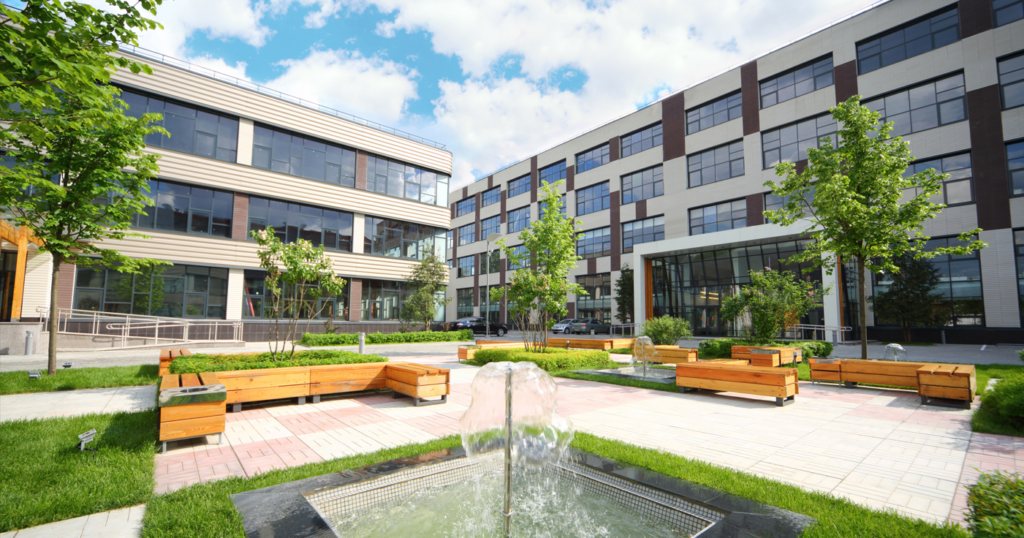
Reactive Works Protect Compliance Standards
Even with strong planned maintenance, issues can still arise. Storm damage, vehicle strikes, floods, and sudden infrastructure failures require immediate attention.
This is where reactive works become essential.
Reactive works services help organisations quickly restore safety and compliance across outdoor estates. Common reactive works include:
- Emergency fencing repairs
- Pothole and surface repairs
- Drain repairs
- Roof and gutter maintenance
- Access control repairs
- Pressure washing and specialist cleaning
- Emergency tree works
Rapid response prevents small problems from turning into larger compliance failures or safety incidents.
OUTCO’s reactive works services support safe and functional estates through planned maintenance and repairs.
Fencing and Access Control: The First Line of Defence
Damaged fencing, broken gates, or failed access control systems create immediate safety and security risks. In sectors such as logistics, retail, healthcare, education, and critical infrastructure, perimeter security forms a key part of compliance management.
Well-maintained fencing helps organisations:
- Control unauthorised access
- Protect staff and visitors
- Secure assets and vehicles
- Define safe pedestrian and vehicle routes
- Reduce liability risks
- Support safeguarding responsibilities
Routine inspections matter. Facilities teams should regularly check for:
- Loose or damaged panels
- Corrosion
- Unstable posts
- Faulty locks
- Damaged automated gates
- Poor visibility around entrances
- Vegetation interfering with fencing lines
OUTCO provides fencing, access control, repairs, and integrated access solutions designed to improve site safety and operational reliability.

Hard Surface Maintenance Reduces Liability Risks
Car parks, loading bays, footpaths, and external walkways experience constant wear. Without regular inspection and maintenance, these surfaces quickly become hazardous.
Cracks, potholes, faded line markings, and drainage failures all contribute to safety risks and non-compliance.
Effective hard surface maintenance should include:
Carry out regular visual inspections across all pedestrian and vehicle areas. Record defects with photographs and prioritise repairs based on risk level.
Repair potholes, cracks, and uneven surfaces quickly before deterioration spreads.
Blocked drains often create standing water, flooding, and slip hazards. Regular drain surveys and clearance help prevent operational disruption.
Faded markings increase vehicle and pedestrian risks. Repainting bays, walkways, and directional markings improves safety and accessibility.
Moss, algae, oil, and debris create slip hazards. Scheduled cleaning improves both safety and presentation.
OUTCO’s hard surface maintenance services focus on safety, accessibility, and extending asset life through proactive maintenance.
Tree Management and Vegetation Control Support Compliance
Trees and unmanaged vegetation create significant safety risks if left unchecked.
Falling branches, obstructed signage, blocked CCTV visibility, and root damage can all affect compliance and operational safety.
Professional arboricultural services help organisations:
- Identify hazardous trees
- Reduce the risk of falling branches
- Improve visibility and lighting
- Prevent obstruction of pathways and roads
- Maintain healthy landscapes
- Support biodiversity goals
Regular tree surveys with documented risk assessments also provide important evidence during insurance claims or health and safety investigations.
OUTCO’s arboricultural services include tree surveys, pruning, tree surgery, and proactive risk assessments designed to support safe outdoor environments.

Compliance Requires a Proactive Approach
Many organisations only react after an incident occurs. A slip claim, damaged fence, flooding issue, or failed inspection often exposes weaknesses that routine maintenance could have prevented.
Proactive grounds maintenance and reactive works reduce risk, improve safety, and help businesses stay operational and compliant throughout the year.
The most effective facilities strategies combine:
- Planned preventative maintenance
- Fast reactive response
- Digital reporting
- Regular inspections
- Asset lifecycle planning
- Site-specific risk management
This approach creates safer outdoor environments while reducing long-term maintenance costs and operational disruption.
Grounds maintenance and reactive works compliance should never sit low on the facilities agenda. Outdoor spaces shape first impressions, influence safety, and play a direct role in regulatory compliance.
From fencing and drainage to hard surfaces and vegetation management, every external asset contributes to site safety and operational resilience.
Compliance starts at the gate and organisations that invest in proactive maintenance place themselves in a far stronger position when audits, inspections, or unexpected incidents occur.
By combining planned grounds maintenance with responsive reactive works, businesses can create safer, cleaner, and fully audit-ready outdoor estates all year round.