As winter approaches, line marking can easily be overlooked in favour of gritting plans, drainage checks and other seasonal maintenance. Yet clear external markings play an important role in keeping pedestrians and vehicles moving safely around a site. Shorter daylight hours, wet surfaces and winter operations can all make faded markings harder to distinguish, which is why autumn is a useful time to inspect their condition and address areas that need attention.
From pedestrian crossings and accessible parking bays to loading areas and emergency routes, an effective line-marking programme helps facilities managers maintain clear site layouts and reduce ambiguity for drivers, employees, visitors and contractors.
A pre-winter inspection can identify deteriorating road markings alongside defects in the underlying surface, allowing maintenance to be planned before harsher conditions arrive.
Why Marking Condition Matters Before Winter
External markings need to communicate information quickly. A driver approaching a junction, a pedestrian crossing a car park or a delivery vehicle entering a loading area should be able to understand where they need to go without hesitation.
Winter can make that more difficult. Reduced daylight affects visibility, while rain and standing water can make faded surface markings less distinct. Dirt, leaves and other debris can further obscure painted areas.
The first step should therefore be an audit of existing line marking across the entire external estate. Look beyond markings that have disappeared completely. Uneven fading, damaged edges and sections obscured by surface deterioration can all reduce clarity.
Pay particular attention to high-use locations, including entrances, junctions, pedestrian routes, parking areas, loading bays and points where different types of traffic interact.
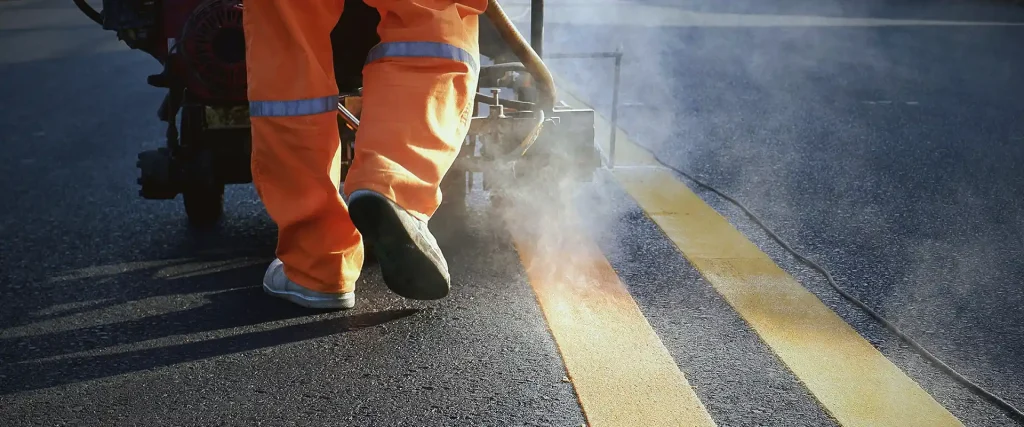
Pedestrian Crossings And Walkways
Pedestrian areas should be a priority during a pre-winter inspection.
Review crossings, designated walkways and other pavement markings to check whether routes remain clearly defined. Consider the full pedestrian journey through the site rather than inspecting individual markings in isolation.
For example, can someone arriving in the car park easily identify the intended walking route towards the building? Are crossing points obvious to approaching drivers? Do marked routes remain clear around loading or service areas?
Where line marking has deteriorated, renewing it before winter can help reinforce the distinction between pedestrian and vehicle spaces.
This should form part of wider site maintenance. Damaged paving, potholes, poor drainage and other surface defects should also be recorded during the inspection rather than treating painted markings as a standalone issue.
Vehicle Routes, Bays And Loading Zones
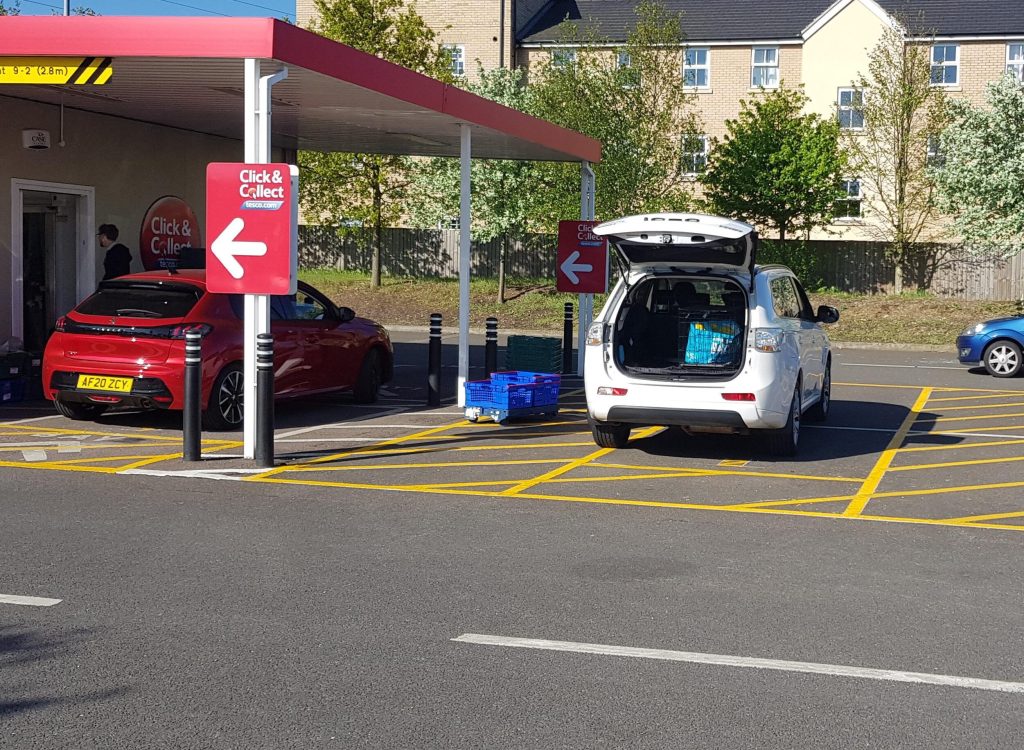
Car parks, service yards and logistics areas often contain a substantial amount of information communicated through road markings.
Parking bays, directional arrows, stop lines, turning areas and loading zones help drivers understand how a site is intended to operate. When those markings become unclear, traffic can become less orderly and vehicles may be parked or positioned where they interfere with normal operations.
Review line marking from a driver’s perspective. Enter the site using the normal vehicle route and follow it through key areas.
Check whether directional information is visible in good time, whether parking spaces remain clearly separated and whether vehicles can easily distinguish general parking from loading or operational areas.
Loading bays deserve particular attention on busy logistics, retail and industrial sites. Clear surface markings can help reinforce designated areas and support efficient vehicle movements during periods when winter maintenance vehicles, deliveries and everyday traffic may all need to use the estate.

Emergency Access And Restricted Areas
Some markings communicate more than general traffic instructions. They help identify spaces that need to remain available for emergency or operational purposes.
Include fire routes, emergency access points, restricted parking zones and other critical line markings in your audit.
Ask whether a visitor or contractor unfamiliar with the site would immediately understand that an area needs to remain clear. If the answer is uncertain, the marking may need attention.
Restricted areas should also be reviewed where vehicle and pedestrian movements could create additional risk. Clear car park markings, hatching and associated signage can work together to reinforce how these areas should be used.
Winter maintenance plans should take these zones into account too. Snow clearance, gritting and other seasonal operations should preserve access to critical routes rather than unintentionally obstructing them.
Surface Condition Before Remarking
Good line marking starts with the surface underneath it.
Applying new markings over a deteriorating surface can provide a short-term visual improvement without addressing the underlying problem. Cracking, potholes, loose material and other defects can affect the quality and longevity of the finished work.
Inspect the condition of the surface before planning any remarking. Where defects are identified, determine whether repairs should be completed first.
Drainage should also form part of the assessment. Standing water can contribute to deterioration of hard surfaces, while freeze-thaw conditions can worsen existing cracks and defects.
Combining the inspection of road markings with a broader hard surface condition assessment gives facilities teams a clearer picture of what needs immediate attention and what can be incorporated into future planned maintenance.
Scheduling Around Operations And Weather
Timing is important when renewing line marking, particularly on sites that operate for extended hours or cannot easily close parking and access areas.
Plan works around periods of lower traffic wherever possible. Individual car park sections, loading areas or vehicle routes may need to be temporarily taken out of use so work can be completed safely and with minimal disruption.
Weather conditions also need to be considered. The surface and environmental requirements will depend on the marking system being used, so work should be scheduled within appropriate conditions rather than simply targeting a convenient date.
For sites preparing for winter maintenance, coordination is especially important. Completing necessary line marking and surface repairs before the main winter season can reduce competing maintenance requirements later.
OUTCO’s approach to outdoor maintenance is based around site-specific planning and reducing operational disruption, with hard surface maintenance covering surface repairs and line marking alongside other external estate requirements.
Line-Marking Audit Checklist
A structured inspection makes it easier to identify priorities and build an effective maintenance plan. During your pre-winter audit, check:
- Pedestrian crossings are clearly visible to both pedestrians and drivers.
- Designated walkways can be followed continuously across the site.
- Parking bays remain clearly defined.
- Accessible parking spaces and associated markings are easy to identify.
- Directional arrows and traffic instructions are clear.
- Loading bays and delivery zones are properly defined.
- Emergency access routes and keep-clear areas are visible.
- Restricted and hatched areas remain clearly marked.
- Entrances, exits and junctions have appropriate road markings.
- Existing paint is checked for fading, wear and damage.
- Dirt, leaves or debris are not obscuring surface markings.
- Potholes, cracking and other surface defects are recorded before remarking.
- Drainage issues and areas of standing water are identified.
- Required works can be scheduled around site operations.
- Marking works are coordinated with wider autumn and winter maintenance activity.
Prepare Your External Surfaces Before Winter
A line-marking audit is a relatively straightforward addition to autumn site inspections, but it can reveal issues that become considerably more noticeable once winter arrives.
The aim is not simply to make a car park or service yard look freshly painted. Effective line marking helps communicate how an external space should function, supporting pedestrian safety, vehicle access and more orderly traffic movement.
Taking a broader view is equally important. Faded markings may sit alongside potholes, cracks, drainage problems or other defects that require attention. Assessing these together allows facilities managers to prioritise work and take a more proactive approach to hard surface maintenance.
OUTCO provides nationwide hard surface maintenance, including line marking and surface repairs, helping facilities and property managers maintain safe, functional outdoor estates. Planned inspections can identify areas requiring attention and allow remedial work to be coordinated around operational requirements before winter conditions place additional demands on the site.
Planning your pre-winter external maintenance? Contact OUTCO to discuss line marking, surface repairs and wider hard surface maintenance requirements.