
Winter brings added pressure for facilities and property managers. Heavy rain, freezing temperatures and snow can turn minor outdoor defects into safety risks, costly repairs and site disruption. An external condition survey helps you identify these issues early, assess their impact and build a clear maintenance plan before winter arrives.
However, identifying defects is only the first step. A useful survey should do more than list problems. It should help you decide which repairs need immediate attention, which can wait and how to make the most of your maintenance budget.
For facilities managers overseeing one site or a nationwide property portfolio, this approach helps reduce unexpected costs, improve site safety and keep outdoor areas accessible throughout winter.
What an External Condition Survey Should Cover
Outdoor assets face constant wear from traffic, weather and daily use. Without regular checks, small issues can develop into larger problems that cost more to fix.
A thorough external condition survey examines the condition of outdoor assets and identifies areas that need repair, maintenance or further investigation.
An external asset survey should cover key areas such as:
- Car parks and hard surfaces: Potholes, cracks, uneven surfaces and damaged paving that could create trip hazards or affect vehicle access.
- Footpaths and pedestrian areas: Surface damage, poor drainage and other issues that could affect safe access.
- Drainage systems: Blocked drains, damaged channels and standing water that could increase the risk of flooding or ice.
- Fencing and access points: Damaged fencing, gates and barriers that could affect security or access.
- External building features: Visible damage to gutters, roof edges and other accessible exterior features that may need further inspection.
- Grounds and vegetation: Overgrown plants, damaged trees and vegetation that could obstruct pathways, signs or access routes.
- Line markings and signage: Faded markings or damaged signs that could affect traffic flow and pedestrian safety.
A site condition assessment should also consider how people use each area. For example, a damaged surface near a busy entrance may present a greater risk than a similar defect in a low-traffic area.
Record Condition, Risk and Operational Impact
Not every defect carries the same level of risk. A small crack in a rarely used area may need routine maintenance, while a damaged drain near a main entrance could cause serious problems during heavy rainfall or freezing weather.
An effective outdoor asset assessment should consider three key factors:
1. Asset condition
2. Safety risk
3. Operational impact
Recording these factors helps property managers understand the impact of each defect rather than simply counting how many problems exist.
For example, a blocked drain in a busy loading bay could lead to standing water. When temperatures fall, that water may freeze and create a slip hazard. It could also restrict vehicle movements and delay deliveries.
An external asset inspection can identify the issue before winter makes it worse, giving you time to arrange repairs and reduce disruption.
This approach also helps managers explain maintenance needs to senior teams. Instead of requesting funds for a general list of repairs, they can show how each task supports safety, access and business operations.
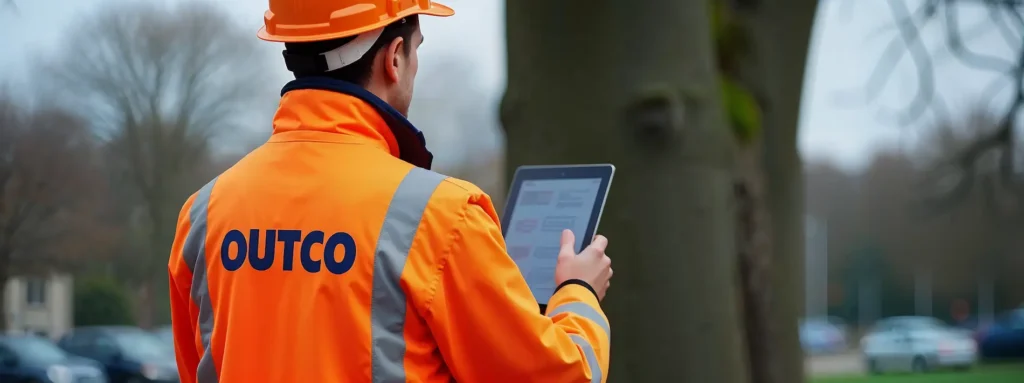
Prioritise by Urgency and Build a Budgeted Works Plan
Once you understand the condition and risks of your outdoor assets, the next step is to decide what needs attention first.
An external condition survey should support a clear order of work based on urgency, risk and operational impact.
OUTCO’s surveys use a Red, Amber, Green (RAG) rating system to help clients understand the condition of their assets and identify areas that need attention.
A practical maintenance plan can use these ratings to guide decisions:
| Priority | What it means | Recommended action |
| Red – High | An issue presents a significant safety or operational risk. | Take prompt action to control the risk and arrange urgent repairs. |
| Amber – Medium | An asset shows signs of damage or wear that could worsen. | Plan repairs within an agreed timeframe, ideally before winter where relevant. |
| Green – Low | An asset remains in good condition or needs routine care. | Include it in planned maintenance and continue regular checks. |
These ratings provide a starting point. Managers should also consider how quickly conditions could change and whether temporary safety measures are necessary.
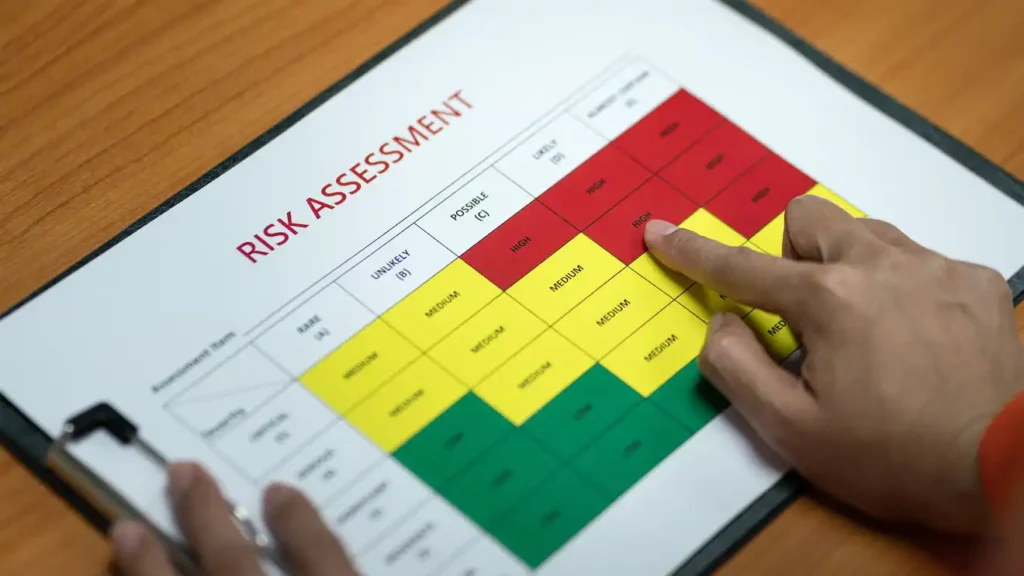
Turn Survey Findings into a Costed Maintenance Schedule
A priority list becomes more useful when you link each task to a budget, an owner and a target date.
For example, a property manager could use an outdoor maintenance survey to create the following plan:
| Work required | Priority | Target | Budget approach |
| Repair potholes near the main entrance | High | Before winter | Obtain a repair quotation |
| Clear blocked surface drains | High | Before heavy rainfall | Price and schedule drain clearance |
| Repair damaged perimeter fencing | Medium | Within an agreed timeframe | Obtain a repair quotation |
| Refresh faded car park markings | Medium | Next suitable works window | Allow for planned maintenance |
| Trim vegetation near pathways | Low | Routine maintenance visit | Include in grounds maintenance budget |
Illustrative example only. Actual priorities and timescales depend on site conditions and risk.
This approach gives managers a practical works plan rather than a static list of defects.
It also helps separate urgent spending from planned investment. You can allocate funds to the highest risks first, group suitable repairs into planned works and spread lower-priority costs across future budgets.
For multi-site estates, a consistent rating system makes it easier to compare sites and direct spending towards the areas that need it most.
OUTCO supports this approach through its nationwide outdoor maintenance services. Alongside surveys, we provide surface repairs, drainage maintenance, fencing, grounds maintenance and other external works.
This gives clients the option to manage several maintenance needs through one provider, reducing the time they spend sourcing and coordinating contractors.
Create an Evidence Trail for Better Decisions
Facilities managers need clear records to support maintenance decisions, track work and demonstrate how they manage site risks.
A condition survey should provide evidence that helps teams understand what needs attention and why.
Useful records include:
- Photographs showing the location and condition of each defect.
- Clear descriptions of the issues found.
- Risk and priority ratings.
- Recommended maintenance or repair actions.
- Dates of inspections and follow-up reviews.
- Records of completed repairs and any remaining issues.
This information helps managers justify spending, share findings with stakeholders and track progress over time.
It also supports health and safety reviews by showing what the team identified and what steps it took to address the risks.
Review and Update the Plan
An external condition survey provides a picture of your assets at a particular point in time. However, outdoor conditions can change quickly, especially during winter.
Heavy rainfall can expose drainage problems. Frost can make existing surface cracks worse. Strong winds can damage fencing, trees and other outdoor features.
Your maintenance plan should therefore change as site conditions change.
Regular reviews help you:
- Check whether teams have completed urgent repairs.
- Update priorities when new risks arise.
- Track maintenance spending against budgets.
- Identify defects that need further attention.
- Plan future work before minor issues become costly problems.
A planned outdoor maintenance programme also helps reduce reliance on emergency repairs.

How OUTCO Helps You Plan and Manage Outdoor Maintenance
Managing outdoor assets takes time, especially when you oversee multiple sites, contractors and maintenance budgets.
OUTCO brings together more than 20 years of outdoor maintenance experience, nationwide coverage and technology-led service management to help clients maintain their estates.
Our teams support commercial properties across retail, healthcare, logistics, education and other sectors, with services that cover surveys, planned maintenance and reactive repairs.
For clients, this means:
- Less time spent on site inspections: Our External Condition Surveys identify defects and provide clear reports, helping managers oversee sites without repeated visits.
- Better maintenance planning: Photographs and RAG-rated assessments help teams identify priorities and support budget decisions.
- Fewer contractors to manage: Our range of outdoor maintenance services allows clients to bring survey findings and repair work together.
- Support across multiple locations: Our nationwide network helps property managers coordinate outdoor maintenance across regional and national estates.
- Clear records of completed work: Our Service Portal provides access to maintenance updates, photographic reports and service history.
Our aim is simple: to help clients reduce risk, control maintenance costs and spend less time managing outdoor works.
Prepare Your Outdoor Estate Before Winter
An external condition survey gives you more than a list of repairs. It provides the information you need to understand risks, set priorities and create a maintenance plan that fits your budget.
By identifying issues early, recording clear evidence and scheduling work according to urgency, you can reduce unexpected repairs and help keep your site safe and accessible during winter.
Whether you manage a single commercial property or a nationwide estate, OUTCO can help you understand the condition of your outdoor assets and plan the next steps.
Get a clearer picture of your outdoor estate before winter arrives.
Book an external condition survey with OUTCO to identify potential risks, prioritise maintenance needs and make informed decisions about your outdoor assets.