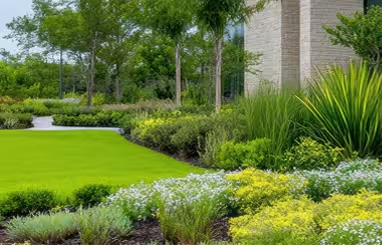
Sustainable Grounds Management and Biodiversity: Why It Matters for Businesses
Sustainable grounds management is no longer just a “nice to have” for businesses. As Environmental, Social and Governance (ESG) targets become more important across the built environment, outdoor spaces are increasingly being viewed as strategic assets rather than simple maintenance requirements.
For facilities managers, property managers and estates teams, sustainable grounds management and biodiversity initiatives can support compliance, improve stakeholder perception, reduce long-term maintenance costs and create healthier outdoor environments for employees, visitors and local communities.
Businesses are also under growing pressure to demonstrate environmental responsibility. Investors, customers and occupiers increasingly expect organisations to actively contribute to sustainability goals, including Biodiversity Net Gain (BNG), carbon reduction and improved environmental stewardship. OUTCO’s approach to outdoor maintenance focuses on creating sustainable, attractive and functional estates that support both operational needs and biodiversity goals.

____
The Link Between ESG and Outdoor Spaces
Grounds maintenance plays a much larger role in ESG strategies than many organisations realise. Outdoor estates can contribute directly to environmental and social objectives through:
- Supporting local wildlife and pollinators
- Reducing chemical and water usage
- Improving employee wellbeing
- Enhancing biodiversity on commercial sites
- Lowering emissions through sustainable maintenance methods
- Demonstrating visible environmental responsibility to stakeholders
Simple changes to landscaping and estate management can have measurable environmental benefits.
Wildflower areas, native planting schemes and mowing programmes can all help improve biodiversity while creating more visually appealing outdoor environments.
At the same time, businesses must balance sustainability with safety, compliance and operational performance.
Sustainable grounds management is about finding practical solutions that achieve both.
_____

How Biodiversity Adds Business Value
Biodiversity improvements are often associated with environmental responsibility, but they can also deliver tangible business benefits.
Improved Brand Perception
Well-managed green spaces create a positive first impression for customers, visitors and tenants. Businesses with visible sustainability initiatives often strengthen their reputation with environmentally conscious stakeholders.
Better Employee Wellbeing
Access to greener, more natural outdoor spaces has been linked to improved wellbeing and employee satisfaction. Simple features such as natural planting areas, shaded green spaces and pollinator-friendly landscaping can help create more welcoming environments.
Reduced Long-Term Maintenance Costs
Sustainable landscaping strategies can reduce maintenance intensity over time. For example:
- Wildflower meadows typically require fewer cuts per year than traditional grass areas
- Native plant species often require less watering and intervention
- Sustainable planting can improve soil health and resilience
This helps reduce resource usage while maintaining attractive outdoor estates.
Support for ESG Reporting and Compliance
Many organisations now include biodiversity and sustainability metrics within ESG reporting. Grounds maintenance strategies that support biodiversity can contribute towards wider environmental goals and demonstrate measurable action.
OUTCO’s environmental management services support organisations with biodiversity improvement programmes, invasive weed control and sustainable outdoor maintenance solutions.
Practical Biodiversity Tips for Facilities Managers
Facilities managers do not need to completely redesign their estates to make a positive environmental impact. Small, practical improvements can make a significant difference over time.
Introduce Wildflower Areas
Replacing sections of closely mown grass with wildflower meadows creates habitats for bees, butterflies and other pollinators. These areas can also reduce mowing frequency and support more natural ecosystems.
Wildflower areas work particularly well in:
- Business parks
- Retail parks
- Educational campuses
- Logistics estates
- Perimeter and unused green spaces
Install Bug Hotels and Wildlife Habitats
Bug hotels, bird boxes and hedgehog shelters are simple additions that support local wildlife and visibly demonstrate a commitment to biodiversity.
These can be incorporated into:
- Staff wellbeing areas
- Courtyards
- Green borders
- Outdoor communal spaces
Reduce Chemical Usage
Minimising unnecessary pesticide and herbicide use helps protect pollinators and surrounding ecosystems. Sustainable weed management practices and targeted treatments can reduce environmental impact while maintaining safe and compliant estates.
Choose Native Plant Species
Native plants are generally more resilient to UK weather conditions and better suited to supporting local wildlife. They also tend to require less irrigation and maintenance compared to non-native ornamental planting.
Create Smarter Mowing Schedules
Not every area needs to be maintained to the same standard. Facilities managers can adopt a mixed-maintenance approach by:
- Keeping high-traffic areas formal and well-maintained
- Allowing peripheral areas to grow more naturally
- Adjusting cutting frequencies seasonally
This approach supports biodiversity without compromising professional presentation.
Use Sustainable Maintenance Partners
Choosing contractors that prioritise sustainable practices, environmentally conscious methods and proactive estate management can help businesses align operational maintenance with ESG goals.
OUTCO’s sustainable outdoor maintenance services are designed to help businesses create safe, compliant and environmentally responsible outdoor spaces through tailored grounds maintenance and biodiversity programmes.
Sustainable Grounds Management is Becoming a Business Expectation
As ESG reporting requirements continue to evolve, sustainable grounds management and biodiversity initiatives are becoming increasingly important across commercial estates.
Businesses that invest in environmentally responsible outdoor spaces are not only supporting biodiversity but also improving stakeholder confidence, employee experience and long-term estate resilience.
For facilities managers, sustainable grounds management is an opportunity to transform outdoor spaces into assets that actively contribute to business performance, compliance and environmental goals.