Summer is often viewed as the safest period for commercial hardstanding, but it is also when many surface defects begin to develop. Completing pothole repairs before autumn and winter gives facilities managers and property owners the opportunity to address damage before heavy rainfall, freeze-thaw cycles and reduced daylight make defects more hazardous and more expensive to repair. A planned hardstanding inspection can identify developing issues early, helping to prioritise repairs and minimise disruption across busy commercial sites.
Whether managing a retail park, logistics hub, industrial estate or office complex, inspecting surfaces before winter is one of the most effective ways to reduce reactive maintenance costs while improving safety for pedestrians and vehicles.
Why Summer Defects Happen
Although winter often receives the blame for damaged surfaces, many problems actually begin during warmer months.
Higher temperatures soften asphalt, particularly in heavily trafficked areas such as entrances, loading bays and turning circles. Constant vehicle movements place additional stress on the surface, while increased footfall across commercial sites can accelerate wear around pedestrian routes.
Summer storms can also introduce water into small cracks that may appear insignificant at first. As temperatures begin to fall later in the year, trapped moisture expands during freeze-thaw cycles, causing cracks to widen and potholes to develop.
Common causes of summer surface deterioration include:
- Heavy vehicle loading and braking
- High surface temperatures softening asphalt
- Increased pedestrian traffic
- UV exposure causing asphalt ageing
- Water penetrating small cracks
- Tree root movement near paths and roads
Carrying out a hardstanding inspection at the end of summer allows these issues to be identified before winter accelerates deterioration.
Map Potholes, Cracking and Edge Breakdown
A structured inspection helps determine which defects require immediate attention and which can be monitored.
Look for:
- Existing potholes
- Surface cracking
- Areas of cracked asphalt
- Edge breakdown along kerbs and verges
- Uneven surfaces
- Depressions where water collects
- Loose aggregate
- Failed previous repairs
Recording the location, size and severity of each defect makes it easier to prioritise commercial pothole repairs and develop a reactive maintenance programme before winter arrives.
Sites with high traffic volumes should be inspected more frequently, particularly around entrances, delivery routes and car parks where braking and turning movements create additional stress.
Check Drainage Around Damaged Surfaces
Water is one of the biggest contributors to hardstanding failure.
Damaged drainage allows water to remain on the surface, increasing the likelihood of deterioration once temperatures begin to fall. Even well-executed surface repairs may have a reduced lifespan if drainage issues are left unresolved.
During inspections, check for:
- Blocked gullies
- Standing water
- Poor surface falls
- Damaged channels
- Overflowing drainage systems
- Erosion around kerbs
Resolving drainage issues alongside pothole repairs helps protect repaired areas and supports longer-lasting performance.
Temporary Repair, Patching or Resurfacing?
Not every defect requires full resurfacing. The appropriate solution depends on the condition of the surrounding surface, the extent of deterioration and operational requirements.
Temporary Repairs
Temporary repairs may be appropriate where an immediate safety risk exists and a permanent repair cannot be completed straight away. These solutions help maintain site safety until more comprehensive works can be scheduled.
Pothole Patching
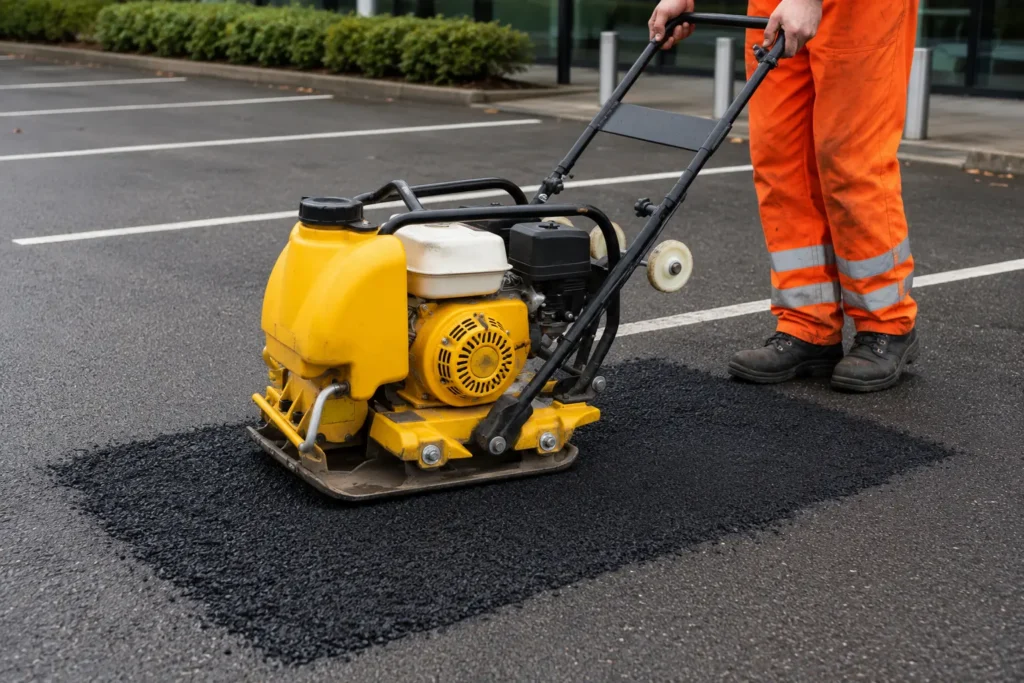
For isolated defects, pothole patching provides an effective repair that restores the surface and prevents further deterioration when completed using appropriate materials and installation techniques.
Localised Resurfacing
Where cracking or multiple defects affect a wider section of hardstanding, local resurfacing may provide a more durable and cost-effective solution than repeated patch repairs.
An experienced contractor can assess the condition of the surface and recommend the most suitable approach based on expected traffic levels and future maintenance requirements.
| Condition | Recommended solution |
|---|---|
| Small pothole or localised surface defect with sound foundations | Mastic Rubber Repair |
| Multiple defects or widespread surface deterioration | Patch repair or resurfacing |
| Failed sub-base, movement or structural failure | Traditional excavation and reconstruction |
| Minor cracking before potholes develop | Crack sealing / preventative maintenance |
Prioritise Vehicle and Pedestrian Routes
Not every repair carries the same level of operational risk.
Before winter, prioritise defects that present the greatest safety concerns or have the greatest operational impact.
High-priority areas often include:
- Main access roads
- Customer car parks
- Pedestrian walkways
- Delivery yards
- Loading bays
- Emergency access routes
- Accessible parking spaces
- Building entrances
Repairing these areas first helps reduce trip hazards, vehicle damage and operational disruption during periods of poor weather and reduced visibility.
Don’t Overlook Other Reactive Maintenance Before Winter
While pothole repairs often take priority, a pre-winter inspection is also an opportunity to identify other reactive works that improve safety, compliance and site presentation.
Consider addressing:
Line Marking
Faded line markings become significantly harder to see during wet weather and darker mornings. Refreshing bays, directional arrows, pedestrian crossings and accessible parking markings improves traffic management and site safety.

Fence Repairs
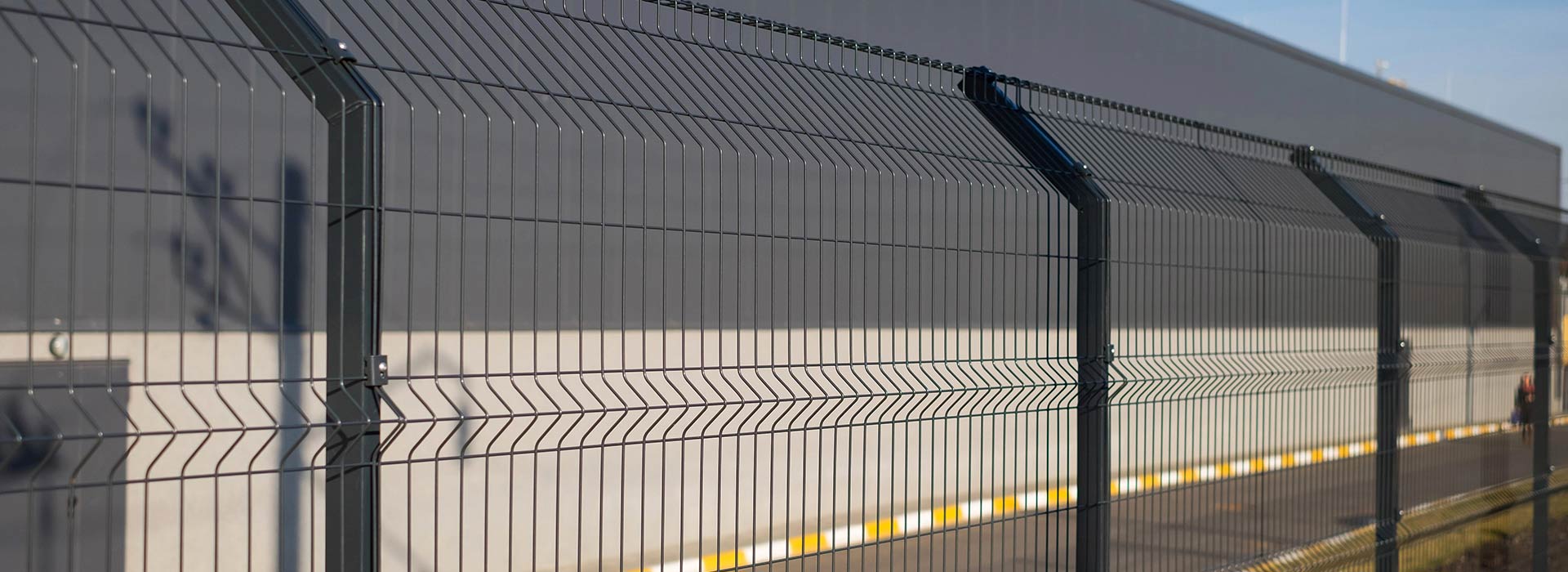
Damaged fencing can become unstable during winter storms, increasing security risks and creating hazards for visitors and employees. Repairing broken panels, loose posts and damaged gates before severe weather helps maintain secure site boundaries.
Drainage Maintenance
Clearing gullies, channels and drainage systems reduces standing water and supports the performance of repaired surfaces throughout the winter months.

Addressing several reactive maintenance tasks during a single visit can reduce disruption while helping to prepare the site for changing seasonal conditions.
Prepare Now to Reduce Winter Disruption
Once winter arrives, surface defects can deteriorate quickly. Heavy rainfall, freezing temperatures and increased operational pressures often turn minor defects into larger, more expensive repairs.
By carrying out a comprehensive hardstanding inspection, prioritising pothole repairs, checking drainage and completing other essential reactive works such as line marking and fence repairs, commercial property managers can improve safety, extend the life of their hardstanding and reduce avoidable reactive maintenance throughout the winter.
Planning repairs before seasonal conditions worsen provides greater flexibility, minimises operational disruption and helps keep commercial sites safe for employees, customers and visitors alike.