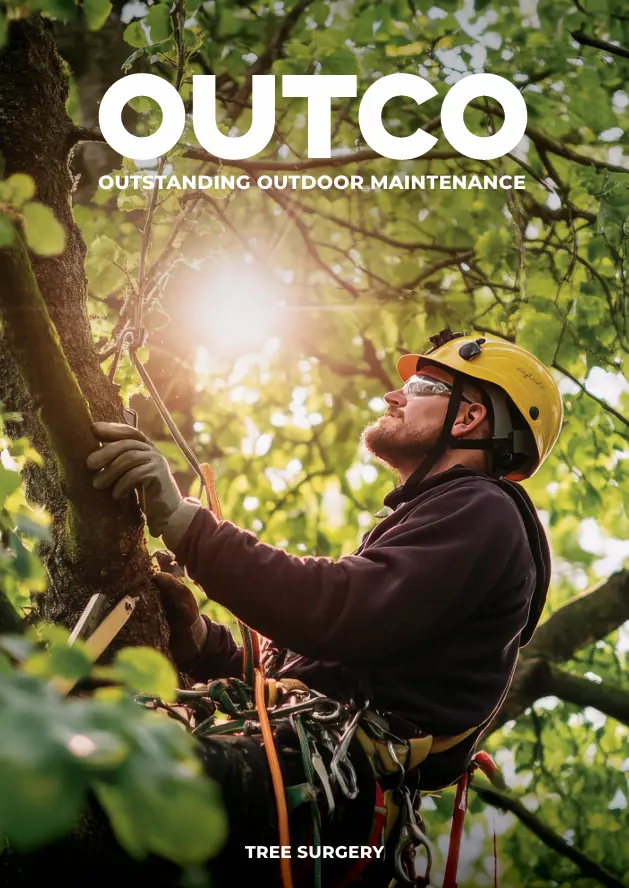
A professional tree survey is one of the most effective ways to identify hidden risks following a prolonged dry summer. While trees may appear healthy from a distance, drought stress, weakened root systems and structural defects can leave them more vulnerable as autumn brings stronger winds, heavier rainfall and stormy weather. Identifying and prioritising remedial work now helps reduce risk, protect infrastructure and maintain safe, compliant outdoor environments.
For facilities managers and property managers responsible for commercial estates, retail parks, logistics sites, healthcare facilities and educational campuses, the transition from summer into autumn is an ideal time to assess tree health before severe weather exposes existing weaknesses.
How a Dry Summer Affects Trees
Extended periods of dry weather place significant stress on trees. Even mature specimens with extensive root systems can suffer when soil moisture remains low for prolonged periods.
The effects are not always immediately visible. Trees may survive the summer but enter autumn in a weakened condition, making them less able to withstand high winds and saturated ground.
Common effects of drought include:
- Reduced root growth and weakened root anchorage
- Premature leaf drop or thinning canopies
- Deadwood developing within the crown
- Cracked or brittle branches
- Increased susceptibility to pests and disease
- Existing structural defects becoming more pronounced
When autumn rainfall arrives, saturated soils can reduce root stability further. Combined with stronger seasonal winds, this significantly increases the likelihood of branch failures or whole tree instability.

Why Autumn Storms Increase the Risk
Storm damage rarely occurs without warning. In many cases, underlying defects have developed gradually over several seasons before adverse weather exposes them.
Trees weakened by drought are less able to cope with:
- Strong wind loading
- Waterlogged ground reducing root support
- Increased branch movement
- Existing decay cavities
- Heavy canopies carrying additional rainwater
This creates risks not only to people but also to buildings, vehicles, access roads, footpaths, fencing, lighting columns and other outdoor infrastructure.
For organisations managing multiple sites, even a single tree failure can lead to operational disruption, emergency works, insurance claims and reputational damage.
The Importance of a Professional Tree Survey
A tree survey provides an objective assessment of tree condition before problems become emergencies.
Professional arboricultural inspections assess factors including:
- Tree health and vitality
- Structural condition
- Root stability
- Dead, damaged or diseased branches
- Evidence of decay
- Potential interaction with buildings and infrastructure
- Overall risk level
The findings allow organisations to prioritise maintenance based on risk rather than waiting until storm damage occurs.
OUTCO’s proactive tree surveys provide detailed reports identifying risks from falling trees or branches together with clear recommendations for ongoing tree management and maintenance.

Prioritising Work Before Winter
One of the greatest benefits of carrying out tree risk assessments during late summer or early autumn is the opportunity to schedule work before contractor availability becomes limited during winter.
Typical recommendations may include:
Crown Reduction
Reducing canopy size lowers wind loading while maintaining the health and appearance of the tree.
Deadwood Removal
Removing dead or weakened branches reduces the likelihood of falling limbs during storms.
Crown Lifting
Improves clearance above roads, footpaths and parking areas while reducing potential hazards.
Tree Removal
Where a tree presents an unacceptable level of risk, planned removal is generally safer, more cost-effective and less disruptive than emergency removal following storm damage.
Ongoing Monitoring
Some trees require regular inspections rather than immediate work. A structured monitoring programme helps manage long-term risk across an estate.
Protecting Your Infrastructure
Tree failures affect far more than the trees themselves.
Falling limbs and unstable trees can damage:
- Buildings
- Roofs
- Car parks
- Roads and access routes
- Pedestrian walkways
- Boundary fencing
- Lighting columns
- Underground services
- Vehicles
Preventative inspections help reduce unexpected repair costs while supporting operational continuity throughout autumn and winter.
Meeting Your Duty of Care
Property owners and facilities managers have a legal responsibility to take reasonable steps to manage foreseeable risks presented by trees on their land.
Routine commercial tree inspections demonstrate a proactive approach to risk management and support compliance with health and safety responsibilities.
Well-documented inspections also provide valuable evidence that reasonable measures have been taken should an incident occur.
A Proactive Approach Saves Time and Money
Emergency tree work is almost always more disruptive and more expensive than planned maintenance.
By identifying defects early, organisations can:
- Reduce emergency call-outs
- Prioritise budgets effectively
- Minimise disruption to site operations
- Protect staff, visitors and contractors
- Extend the life of healthy trees through appropriate maintenance
- Improve long-term estate resilience
Planning tree maintenance before autumn storms arrive also provides greater flexibility in scheduling works around operational requirements.
Preparing Your Estate for Autumn
Every site contains unique risks depending on tree species, age, location and surrounding infrastructure. There is no one-size-fits-all approach.
A professional tree survey provides the information needed to make informed decisions, prioritise maintenance and prepare outdoor estates for changing seasonal conditions.
With weather patterns becoming increasingly unpredictable, assessing tree health before autumn and winter is a practical investment in safety, compliance and business continuity.
Whether you manage a single site or a nationwide portfolio, proactive tree surveys help reduce risk, protect valuable infrastructure and ensure your estate remains safe throughout the storm season.