
A practical guide to protecting value and maximising ROI
For organisations managing outdoor estate assets such as car parks, pathways, drainage systems, fencing, and green spaces, represent significant long-term investments. Yet their lifespan is rarely determined by initial build quality alone, maintenance extends asset lifespan.
In reality, how these assets are maintained over time has a far greater impact on their durability, performance, and cost to the business.
Routine maintenance is a strategic approach to protecting asset value, reducing risk, and delivering measurable return on investment (ROI).
The true cost of asset neglect
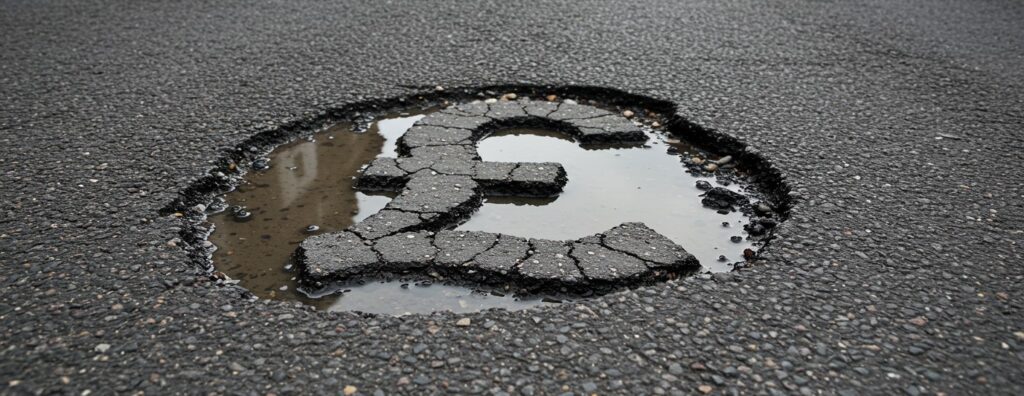
Asset deterioration is rarely sudden. It typically begins with small, manageable issues, minor cracks in a surface, blocked drainage, early vegetation overgrowth that worsen over time.
Left unaddressed, these issues escalate:
- Minor surface cracks develop into potholes
- Poor drainage leads to structural weakening
- Vegetation causes damage to hard surfaces and boundaries
- Safety risks increase, along with liability exposure
The financial impact is significant. For example, surface defects alone contribute to billions in costs across the UK through vehicle damage, delays, and operational disruption.
Beyond direct repair costs, organisations also face:
- Increased insurance claims
- Operational downtime
- Reputational damage
- Higher long-term capital expenditure
Routine maintenance interrupts this cycle early before costs compound.
Preventative maintenance vs reactive spend
A reactive approach often appears cost-effective in the short term. However, it typically results in higher overall spend.
Preventative maintenance, by contrast, focuses on early intervention and planned upkeep.
Key differences:
Reactive maintenance
- Unplanned, urgent repairs
- Higher labour and material costs
- Greater disruption to operations
- Short-term fixes
Routine (planned) maintenance
- Scheduled inspections and upkeep
- Lower cost per intervention
- Minimal disruption
- Long-term asset protection
Evidence consistently shows that preventative maintenance can reduce long-term costs by up to 35% compared to reactive repairs.
This is where ROI becomes clear: lower cumulative spend over the asset lifecycle.
Extending asset lifespan through consistency
Routine maintenance directly impacts how long an asset remains functional and safe.
Regular care can extend the life of outdoor assets by 5 to 10 years, delaying the need for costly replacement.
This applies across multiple asset types:
1. Hard surfaces (car parks, roads, pathways)
- Crack sealing prevents water ingress
- Early pothole repair avoids structural failure
- Cleaning removes debris that accelerates wear
- Regular clearance prevents flooding and erosion
- Inspections identify structural issues early
- Managed growth prevents damage to infrastructure
- Routine care supports long-term landscape health
4. Perimeter and external structures
- Maintenance prevents corrosion, instability, and failure
In each case, the principle is the same: small, consistent interventions prevent large-scale deterioration.
___
ROI: looking beyond immediate costs
To understand the value of routine maintenance, it’s important to consider whole-life cost, not just individual repair bills.
Where ROI is realised:
1. Reduced capital expenditure
Delaying major replacements frees up budget for other priorities.
2. Lower operational disruption
Well-maintained assets reduce downtime and keep sites functional.
3. Fewer emergency repairs
Planned work is more efficient and less expensive than urgent fixes.
4. Improved safety and compliance
Proactive maintenance reduces incidents such as slips, trips, and falls responsible for a significant proportion of workplace injuries.
5. Stronger asset performance
Assets operate as intended for longer, maintaining usability and standards.
For facilities and property managers, this translates into predictable budgeting, improved KPI performance, and stronger long-term financial control.
The role of data and visibility
Modern maintenance strategies are increasingly data-led.
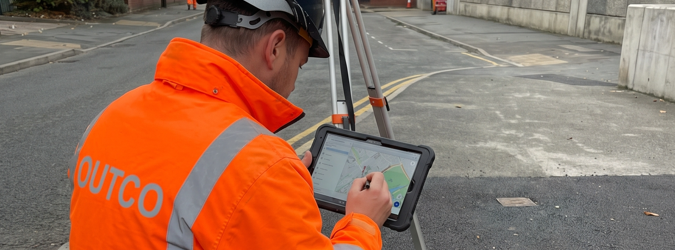
Access to accurate service records, condition reports, and performance data allows organisations to:
- Track asset condition over time
- Prioritise maintenance based on risk
- Plan budgets more effectively
- Demonstrate compliance and audit readiness
Visibility transforms maintenance from a reactive task into a controlled, strategic process.
A long-term view: protecting asset value
Ultimately, routine maintenance should be viewed as an investment rather than a cost.
Assets that are consistently maintained:
- Last longer
- Perform better
- Cost less over time
- Present fewer risks
This is especially important for organisations managing multiple sites, where small inefficiencies can scale into significant financial impact.
A structured maintenance approach supports long-term estate value, operational continuity, and financial efficiency.
Routine maintenance is one of the most effective ways to extend asset lifespan and protect long-term value.
By shifting from reactive repairs to planned, preventative care, organisations can:
- Reduce total cost of ownership
- Extend asset life by years
- Improve safety and compliance
- Maintain operational continuity
In practical terms, the return on investment is clear: lower costs, fewer risks, and more reliable assets over time.