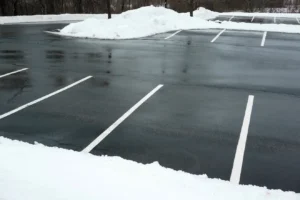
Winter brings more than freezing temperatures. Higher chances of reactive maintenance, heavy rainfall, strong winds and prolonged wet weather can expose weaknesses across outdoor estates, from blocked drains and damaged surfaces to fallen branches and insecure access points.
For facilities teams, reactive maintenance plays an essential role when problems arise. But identifying risks early can prevent minor defects from becoming urgent repairs, safety hazards or costly disruptions.
Here are some areas to prioritise when managing outdoor spaces throughout winter.
Blocked Drains and Gullies
Heavy rainfall puts drainage systems under pressure, particularly when leaves, silt and debris collect in gullies and channels.
Blocked drains can cause standing water, localised flooding and damage to surrounding surfaces. Water may also spread across pedestrian routes, car parks and building entrances, creating hazards and restricting access.
How to reduce the risk:
- Clear gullies, drainage channels and surface-water outlets before periods of heavy rainfall.
- Inspect areas with a history of pooling or flooding.
- Check drainage systems after storms and prolonged wet weather.
- Arrange targeted cleaning where blockages repeatedly occur.
Routine drainage maintenance helps water flow away from buildings and access routes. It also reduces the likelihood of emergency callouts when heavy rain arrives.

Potholes and Surface Defects
Winter weather can accelerate the deterioration of roads, car parks and pedestrian surfaces.
Rainwater enters existing cracks and weakened areas. Repeated traffic, water movement and freeze-thaw conditions can then turn small defects into potholes or uneven surfaces.
Left untreated, these problems can damage vehicles, create trip hazards and disrupt site operations.
How to reduce the risk:
- Inspect high-traffic areas, loading bays, access roads and pedestrian routes.
- Identify cracks, depressions and early signs of surface failure.
- Prioritise defects according to their location and potential safety impact.
- Arrange repairs before damage spreads to surrounding surfaces.
A planned approach to surface repairs helps facilities teams control costs and reduce the need for more extensive reactive maintenance later.

Tree and Branch Risks
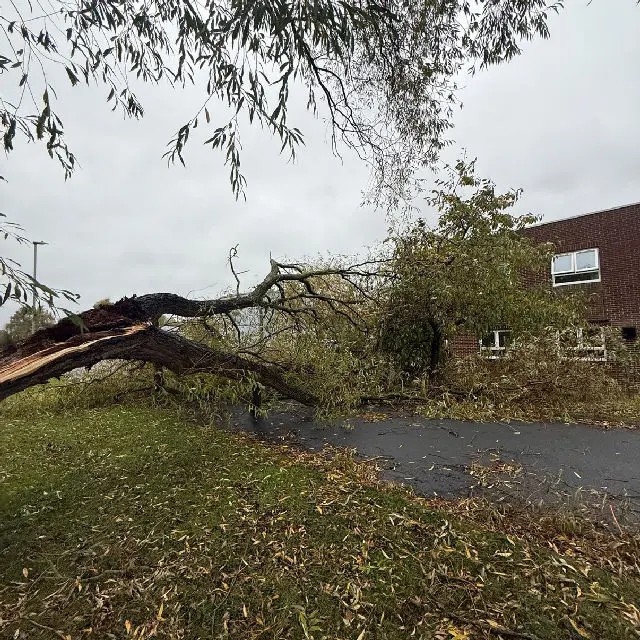
Strong winds, saturated ground and winter storms can increase the risk of falling trees and branches.
Overhanging limbs, damaged trees and unstable growth may threaten vehicles, buildings, fencing and pedestrian routes. Fallen branches can also block entrances and prevent essential deliveries or emergency access.
How to reduce the risk:
- Arrange professional tree inspections where risks are identified.
- Pay particular attention to trees close to buildings, roads, car parks and walkways.
- Address damaged, dead or unstable branches through appropriate tree works.
- Reinspect vulnerable areas following severe weather.
Identifying tree risks before a storm can help prevent injuries, property damage and disruption. Where urgent tree work becomes necessary, a clear response process allows teams to secure affected areas and restore access.
Damaged Fencing and Gates
High winds and prolonged wet weather can expose weaknesses in fencing, gates and their supporting structures.
Loose panels, damaged posts, corroded fixings and poorly functioning gates can compromise site boundaries. They may also create hazards for pedestrians and vehicles.
For commercial and multi-site estates, damaged perimeter infrastructure can quickly become both a maintenance and security concern.
How to reduce the risk:
- Inspect fencing and gates for movement, corrosion and structural damage.
- Check posts, hinges, locks and fixings.
- Prioritise vulnerable boundaries and areas exposed to strong winds.
- Repair minor defects before panels or gates fail completely.
Preventative inspections can reduce emergency repairs and help maintain secure, accessible sites throughout winter.

Access and Security Failures
Outdoor access points face additional pressure during winter. Heavy rain, windblown debris and damaged surfaces can affect entrances, service routes, gates and pedestrian access.
A blocked entrance or failed gate can delay deliveries, prevent contractors from reaching a site or leave an area unsecured.
These issues become particularly challenging when facilities teams manage multiple locations and need to coordinate repairs remotely.
How to reduce the risk:
- Check that entrances, service roads and emergency access routes remain clear.
- Inspect gates, barriers and access points for damage or obstruction.
- Address drainage and surface defects around entrances.
- Establish a clear process for securing sites when access infrastructure fails.
Keeping access routes safe and operational helps protect business continuity. When an unexpected failure occurs, a coordinated reactive maintenance response can limit disruption and restore access sooner.
Escalation and Evidence
Even with regular inspections, winter damage cannot always be prevented. The difference often lies in how quickly a problem is reported, assessed and resolved.
For facilities managers overseeing multiple sites, incomplete reports and unclear responsibilities can delay decisions. Without reliable evidence, teams may struggle to establish the severity of a defect, authorise work or confirm that repairs are complete.
How to improve the response:
- Set clear reporting and escalation procedures for urgent defects
- Record the location, condition and potential impact of each issue
- Use photographs to support assessments and repair decisions
- Prioritise work according to safety, access and operational risk
- Keep a record of completed repairs and supporting evidence
Consistent reporting helps facilities teams make informed decisions without unnecessary site visits or repeated requests for updates.
Combining Preventative and Reactive Maintenance
Effective winter estate management requires both planned maintenance and a dependable response when unexpected problems occur.
Preventative inspections help identify drainage blockages, surface deterioration, tree hazards and damaged infrastructure before they escalate. Reactive maintenance addresses defects that still arise, restoring safety and keeping sites operational.
The strongest approach connects these activities. Inspection findings inform maintenance priorities, while recurring reactive repairs highlight areas that may need more permanent solutions.
For multi-site estates, this approach can improve consistency, support budget planning and reduce the administrative burden on facilities teams.
How OUTCO Supports Winter Estate Maintenance
OUTCO helps organisations manage outdoor estate maintenance across multiple sites, combining planned services with responsive repair works.
Our teams support drainage maintenance, pothole and surface repairs, tree works, fencing and access-related repairs. This allows facilities managers to address common outdoor estate risks through a coordinated service rather than managing multiple contractors.
OUTCO also provides centralised job management and photographic reporting through its client portal, helping teams track progress, review completed work and maintain clear records.
With nationwide coverage and experience supporting complex estates, OUTCO helps facilities teams reduce administration, prioritise work and keep outdoor spaces safe and accessible throughout winter.
Prepare for Reactive Maintenance Before Problems Escalate
Wet and windy weather can turn overlooked outdoor defects into urgent operational problems.
By focusing on drainage, surfaces, trees, boundaries, access and clear escalation procedures, facilities teams can reduce avoidable disruption and make better use of their maintenance budgets.
Need support managing outdoor estate maintenance this winter?
Contact OUTCO to discuss a coordinated approach to preventative and reactive maintenance across your sites.