Understanding the risks of delaying weather-related repairs
Winter is one of the most demanding periods for facilities and property managers. Freezing temperatures, snow and ice can cause sudden damage to outdoor assets, create safety hazards, and interrupt operations with little warning. While proactive winter maintenance is essential, reactive works such as the rapid repair of unexpected issues, are equally critical during the colder months.
When reactive tasks are postponed or handled too slowly, the consequences can escalate fast. From increased safety risks to costly downtime, the impact of delayed winter repairs can be far greater than many organisations realise.
Winter Damage Happens Quickly and Worsens Even Faster
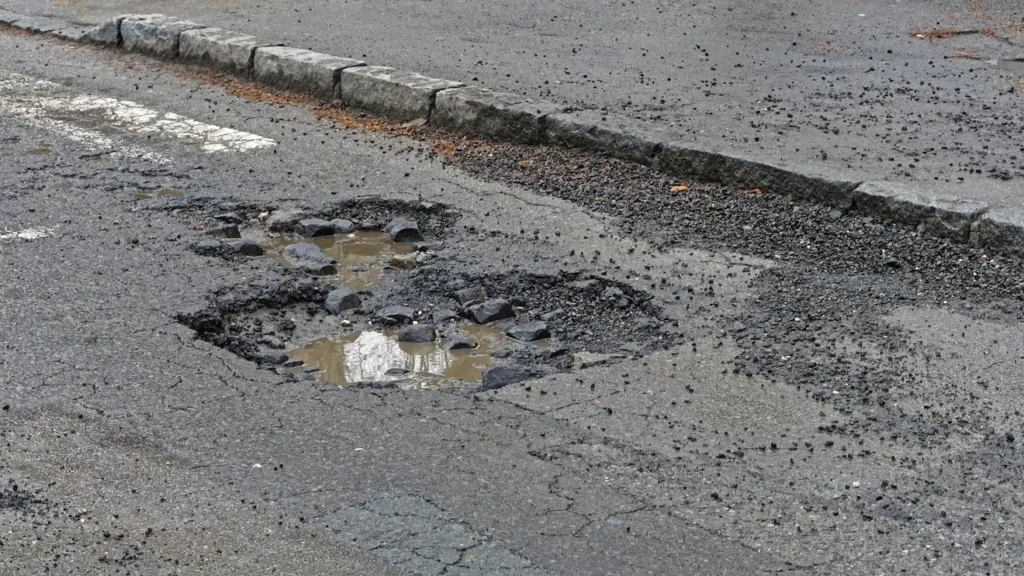
Cold weather amplifies existing weaknesses across outdoor estates. Common winter-triggered issues include:
- Surface damage from freeze–thaw cycles
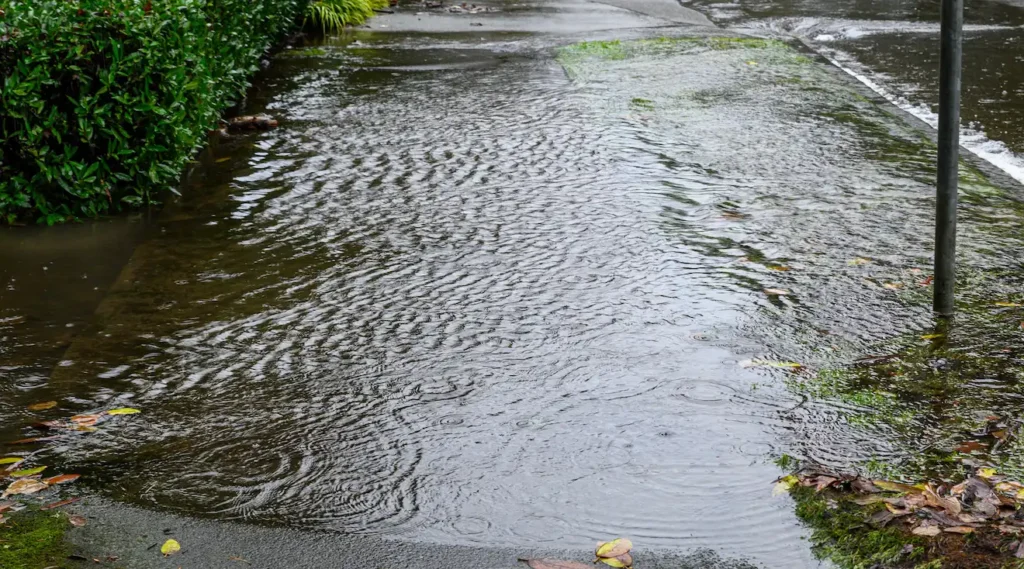
- Blocked or overflowing drains
- Damaged fencing or perimeter security
- Slip hazards caused by ice build-up
- Water damage from frozen or burst pipes
- Loose or uplifted paving creating trip risks
Minor issues that are manageable in warmer months can become major hazards overnight once temperatures drop. Ice magnifies cracks, expands gaps, and increases the pressure on already compromised structures.
A delayed response often means:
- More extensive repairs
- Higher repair costs
- Increased site downtime
- Greater risk to people accessing the site
In short, waiting is rarely the cost-effective option.
Delayed Repairs Increase the Likelihood of Accidents
Slip and trip risks remain one of the most significant winter concerns. Winter hazards lead to a marked increase in slips and falls, each potentially costing businesses thousands in injury claims and associated legal fees.
When reactive issues such as damaged surfaces, pooling water, or failed drainage systems remain unchecked, they increase the likelihood of:
- Staff injuries
- Visitor or customer accidents
- Claims against the business
- Regulatory action if the site is deemed unsafe
For many organisations, just a single incident can exceed the cost of a season’s worth of planned and reactive maintenance combined.
Downtime Costs Add Up and They Add Up Quickly
Winter-related disruption is expensive:
- 21 million workdays are lost each year due to snow and ice
- This equates to £500 million in lost productivity annually
- Severe winter weather can cost up to £150 million per day in supply chain and operational delays
Reactive repairs play a central role in avoiding downtime. For example:
- A damaged access road can halt deliveries
- A failed barrier or gate can compromise security
- A flooded entrance can prevent staff reaching the building
- Structural damage can force temporary closures
Businesses that wait for conditions to improve often find themselves facing extended closure, reduced output, or missed trading opportunities, all of which have direct financial consequences.
Emergency Call-Outs Are More Expensive Than Planned Repairs
If a minor issue becomes a major one, organisations often have no choice but to request urgent call-outs. Winter is peak season for reactive services, meaning:
- Higher emergency rates
- Limited contractor availability
- Longer wait times
- More extensive repair work once teams arrive
In contrast, addressing a problem early, when it is still manageable, reduces both the cost and complexity of the work.
Delayed Repairs Increase Long-Term Damage
Some winter damage doesn’t just disrupt operations, it shortens the lifespan of outdoor assets.
Typical examples include:
- Freeze–thaw cycles destroying asphalt and concrete
- Blocked drains leading to subsurface erosion
- Water ingress compromising structural materials
- Neglected minor civils issues becoming major repairs
Proactive repairs during winter are often the deciding factor in whether you preserve an asset or pay for a full replacement months later.
Why Reactive Works Should Be Built into Your Winter Strategy

An effective winter plan includes not only preventative measures such as gritting and snow clearance, but also a clear process for addressing unexpected issues quickly. Strong reactive capability ensures:
- Faster resolution of weather damage
- Reduced safety risks
- Minimal disruption to operations
- Lower long-term repair costs
- Consistent compliance with health and safety requirements
By treating reactive works as part of broader winter risk management, organisations protect their sites, their people and their budgets.
How OUTCO Supports Clients with Fast, Reliable Reactive Works
OUTCO’s reactive maintenance services are designed to help organisations respond quickly to the unexpected. From surface repairs and drainage works to fencing, access control, specialist cleaning and minor civils, OUTCO provides reliable support backed by skilled teams and smart technology.
With detailed photographic service reports, GPS verification and 24/7 winter-season support, clients gain full visibility of every job and the reassurance that issues are handled efficiently and professionally.
Fast action reduces risk, and with over 20 years of experience maintaining UK estates during winter, OUTCO is trusted by facility managers, property managers, national retailers, logistics providers and public sector organisations to keep sites safe and operational when it matters most.