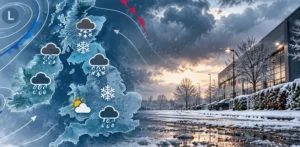
Winter brings a unique set of challenges for facilities and property managers. Freezing temperatures, snow, and ice can disrupt operations, compromise safety, and expose organisations to unnecessary risk. Yet with the right preparation and a structured approach, sites can remain safe and fully functional throughout the season.
This guide covers practical winter maintenance steps for anyone responsible for commercial, retail, industrial, healthcare or public sector estates. It is designed to support informed decision-making and help you plan a winter regime that protects people, assets, and business continuity.
1. Understand Your Site’s Specific Risks
Every site behaves differently in winter. Exposure, footfall, surface materials and layout all influence how quickly ice forms and where problems arise. A pre-season assessment is a valuable starting point, helping you identify:
- High-risk pedestrian routes
- Priority access points for staff and deliveries
- Shaded areas that freeze early and stay icy longer
- Sloped surfaces that require special attention
- Drainage issues that cause standing water
A structured assessment enables a targeted approach, reducing wasted effort and ensuring attention is given to the areas where incidents are most likely to happen. Many organisations incorporate this into annual planning to ensure nothing is overlooked.
2. Put a Clear Winter Plan in Place

Once risks are understood, a documented winter strategy gives clarity to everyone on site.
An effective winter plan will include:
- The areas to be treated and in what order
- Agreed trigger points based on local temperatures
- Who is responsible for each task (internal or contracted)
- Where equipment and materials are stored
- How and when checks are recorded
A written plan not only supports operational consistency but also helps demonstrate compliance if an incident occurs.
3. Use Professional, Local Forecast Data
Timing is everything when it comes to winter safety. Over-gritting wastes resources, while late gritting increases risk. Relying solely on general weather forecasts can lead to inaccuracies because conditions vary widely from one location to another.
Using site-specific professional forecasting allows you to act only when necessary. It also helps you plan ahead for freezing conditions, giving time to mobilise teams and equipment, a crucial advantage during cold snaps or sudden temperature drops.
4. Choose Effective De-Icing Materials

Not all salt works the same way. Many organisations now choose white marine salt because it:
- Is effective in a wide range of winter conditions
- Is less likely to stain floors or damage surfaces
- Minimises environmental impact compared to brown rock salt
Ensuring adequate supplies before the season starts prevents shortages during high-demand periods and reduces the need for last-minute procurement.
5. Maintain Grit Bins and Equipment
Grit bins are often overlooked until they are urgently needed. Ensure they are:
- Positioned conveniently on-site
- Regularly restocked
- Watertight and secure
For sites with large car parks or heavy pedestrian areas, winter equipment such as ploughs, spreaders or UTVs can make a significant difference. Pre-season servicing ensures everything is ready for sudden weather events.
6. Plan for Snow Clearance, Not Only Ice
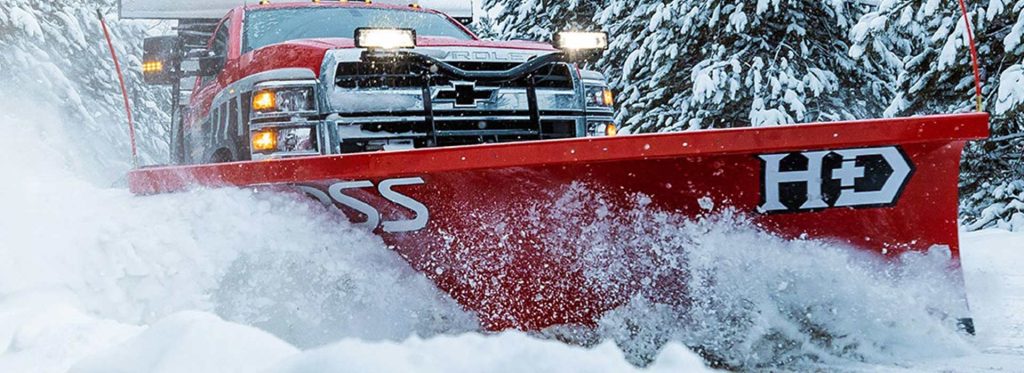
Snow can halt operations completely if not managed quickly. A plan should cover:
- Priority routes for ploughing
- Safe storage areas for cleared snow
- Access for delivery vehicles
- How to keep entrances and fire exits unobstructed
Businesses with larger sites particularly benefit from having arrangements in place before snowfall arrives, ensuring the site remains operational even during prolonged weather events.
7. Keep Records for Safety and Assurance
Accurate records of gritting, snow clearance, inspections and site conditions are essential. They:
- Support compliance with health and safety legislation
- Provide evidence if a liability claim is made
- Offer insight into recurring problem areas
- Help refine future winter plans
Digitally stored reports and photographic evidence are particularly valuable for audit trails and can save significant administrative time.
8. Support Your Team with Clear Communication
Winter can place pressure on internal teams who already juggle multiple responsibilities. Clear communication helps ensure:
- Everyone knows how to report an issue
- Urgent problems reach the right people quickly
- Staff understand where safe routes have been treated
- Access points remain orderly during busy periods
Consider how information is shared, internal messaging platforms, noticeboards, or automated alerts can help keep everyone informed.
How OUTCO Supports Organisations During Winter

For those who prefer external support, OUTCO provides fully managed winter services trusted across the UK. With over two decades of winter experience across thousands of sites, OUTCO combines operational expertise with location-specific forecasting models to plan and deliver gritting and snow clearance precisely when needed.
Clients benefit from:
- Tailored winter maintenance plans
- Proactive, temperature-activated gritting
- Snow clearance based on site layouts
- Professional de-icing materials including white marine salt
- 24/7 support
- A client service portal offering live job updates, GPS-verified service reports and full audit trails
Every service is underpinned by OUTCO’s commitment to quality, transparency and reliability, reflected in the company’s mission to deliver outstanding outdoor maintenance that makes clients’ lives easier.
If you’re looking to keep your site safe, compliant and operational throughout winter, with less administration and greater peace of mind, OUTCO can help you prepare effectively and respond with confidence.