
When people think about maintenance risks, winter often receives most of the attention. Snow, ice and freezing temperatures create obvious hazards that demand immediate action. However, summer reactive maintenance is equally important because many asset failures begin or accelerate during the warmer months before becoming costly problems in autumn and winter.
From potholes and cracked surfaces to drainage failures, damaged fencing and deteriorating access routes, summer presents a valuable opportunity to identify and address defects before weather conditions make them worse. Understanding these risks can help facilities managers, property managers and estate owners reduce long-term costs, improve safety and protect business continuity.
Why Summer Is Often Overlooked
Warmer weather creates the impression that outdoor assets are under less stress. Yet summer conditions can place significant strain on infrastructure.
Extended periods of heat can cause expansion and contraction in hard surfaces, while increased traffic volumes on roads, car parks and service yards accelerate wear and tear. Vegetation growth can obstruct drainage systems, roots can disturb paved surfaces, and minor defects can rapidly develop into larger failures.
Because these issues rarely cause immediate disruption, they are often deferred until they become more serious. This is where summer reactive maintenance plays a critical role.
By identifying and addressing defects early, organisations can prevent minor maintenance issues from becoming major repair projects.
The Pothole Problem Starts Long Before Winter
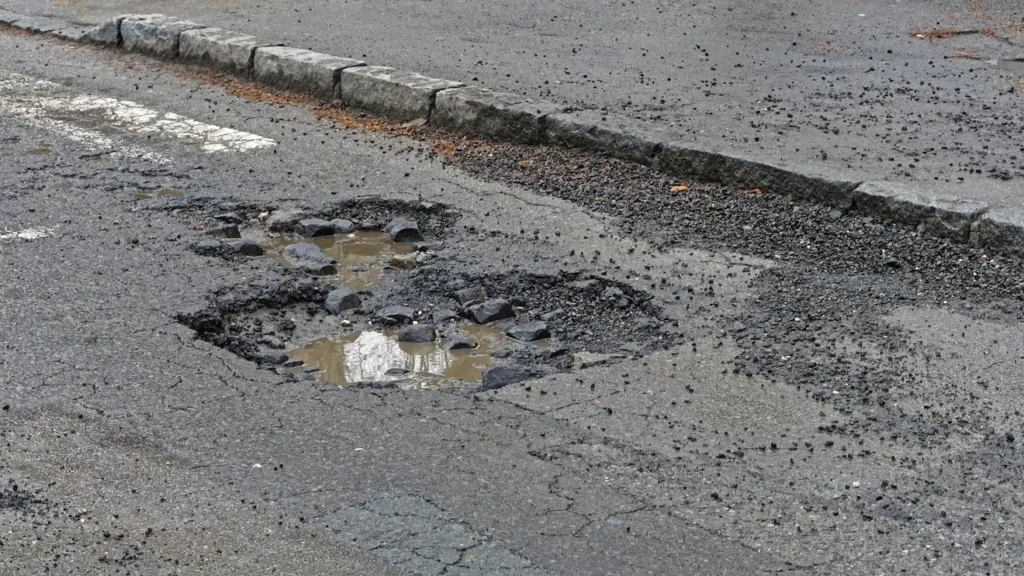
Potholes are commonly associated with winter weather, but the conditions that create them often begin months earlier.
Small cracks develop in tarmac and asphalt surfaces through normal wear, traffic loading and seasonal movement. During summer, these cracks expand as surfaces heat up and cool down repeatedly. Water then enters the damaged areas during rainfall events.
When winter arrives, freeze-thaw cycles accelerate the deterioration process. Water trapped within the surface expands when frozen, forcing cracks wider and weakening the surrounding structure. What was once a minor defect can quickly become a significant pothole.
Potholes can contribute to substantial vehicle damage, operational disruption and increased maintenance costs for businesses. Early intervention significantly reduces these risks.
Why Early Pothole Repairs Matter
Waiting until winter often means defects have worsened considerably, increasing both repair complexity and cost.
Addressing potholes and surface defects during summer offers several advantages:
- Safer working and public environments
- Reduced vehicle damage and liability risks
- Lower repair costs compared to emergency works
- Less disruption to site operations
- Extended lifespan of hard surface assets
- Improved appearance and accessibility
Surface Cracks Are Warning Signs, Not Cosmetic Issues
Many organisations view cracks in roads, pathways and car parks as minor cosmetic concerns. In reality, they are often early indicators of structural deterioration.
Cracks allow water to penetrate beneath the surface, weakening underlying layers and creating voids. Over time, repeated traffic loading causes these weakened sections to collapse, leading to potholes and more extensive failures.
Reactive surface repairs completed during summer can seal vulnerable areas and prevent further degradation before harsher weather conditions arrive.
Drainage Failures Can Escalate Quickly
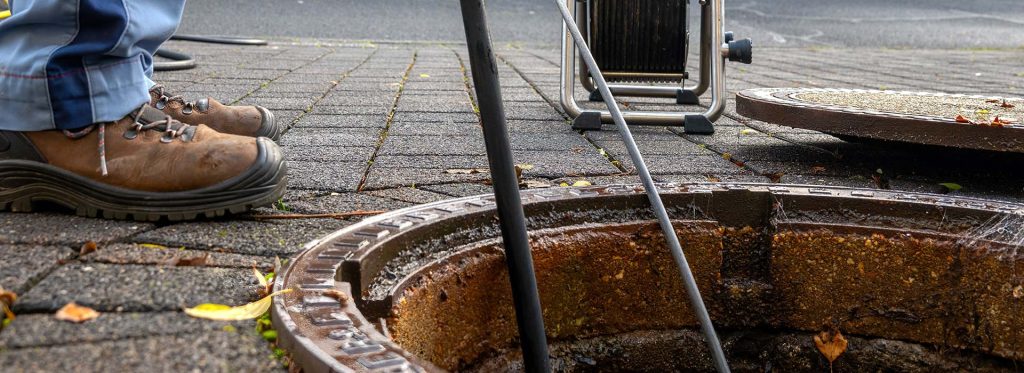
Drainage systems often receive attention only when flooding occurs. However, summer presents ideal conditions for inspections and remedial works.
Common issues include:
- Blocked gullies and drains
- Root ingress
- Damaged drainage channels
- Surface water pooling
- Broken covers and grates
Heavy summer storms can expose weaknesses in drainage infrastructure, providing an opportunity to address issues before autumn rainfall increases demand on the system.
Effective summer asset repairs should include drainage assessments, particularly in high-traffic areas and locations vulnerable to flooding.
Fencing and Perimeter Defects Shouldn’t Wait
Fencing and access control systems are often overlooked until a failure occurs. Yet damaged fencing can create security risks, safety concerns and compliance issues.
Summer inspections frequently identify:
- Loose posts
- Corrosion
- Storm damage
- Damaged gates
- Compromised access controls
Addressing these issues during favourable weather conditions is generally simpler and more cost-effective than carrying out emergency repairs during winter months.

The Cost of Delaying Reactive Works
One of the biggest challenges in estate management is balancing maintenance budgets against competing priorities. Deferring repairs may appear to save money in the short term, but it often increases expenditure over the lifecycle of an asset.
The consequences of delayed seasonal reactive works can include:
Increased Repair Costs
Small defects rarely remain small. What begins as a minor crack may eventually require full resurfacing or reconstruction.
Greater Health and Safety Risks
Trips, slips, vehicle damage and access issues become more likely as defects worsen.
Operational Disruption
Emergency repairs frequently require urgent scheduling, creating disruption for staff, customers and site users.
Reduced Asset Lifespan
Proactive intervention can significantly extend the life expectancy of outdoor assets by preventing accelerated deterioration.
Summer Asset Inspections: What to Look For
A structured inspection programme can help identify emerging issues before they become serious problems.
Key areas to assess include:
Hard Surfaces
- Cracks
- Potholes
- Uneven surfaces
- Faded line markings
- Surface deformation
Drainage
- Standing water
- Blockages
- Damaged channels
- Missing covers
Fencing and Access Control
- Structural integrity
- Corrosion
- Gate operation
- Security vulnerabilities
Exterior Assets
- Kerbs
- Bollards
- Signage
- Retaining structures
- Loading areas
This approach supports effective outdoor asset maintenance and helps prioritise repairs based on risk.
Preparing for Autumn and Winter Starts Now
Many organisations focus on winter preparedness only when temperatures begin to fall. By that stage, contractor availability may be reduced, repair backlogs can develop and weather conditions may limit repair options.
Summer provides the ideal window for:
- Pothole repairs
- Surface reinstatement
- Crack sealing
- Drainage maintenance
- Fencing repairs
- External asset improvements
Taking action now helps ensure sites remain safe, compliant and operational throughout the colder months.
While winter may expose infrastructure weaknesses, summer is often where those weaknesses begin to develop. Effective summer reactive maintenance allows organisations to identify risks early, reduce long-term costs and protect the lifespan of critical outdoor assets.
Potholes, drainage defects, cracked surfaces and damaged fencing rarely improve with time. Addressing these issues during the summer months can prevent more significant failures later in the year and support safer, more resilient sites.
For facilities and property professionals, summer is not a quiet season for maintenance, it’s one of the most important opportunities to stay ahead of asset failure. Based on best practices in reactive works, surface repairs and proactive asset management, early intervention remains one of the most effective ways to reduce risk and maintain operational continuity.