Autumn can expose weaknesses in a commercial site’s drainage quickly. Drain surveys carried out before peak leaf fall give facilities and property managers an opportunity to identify blockages, structural defects and maintenance requirements while there is still time to act. Combined with planned cleaning and sensible vegetation management, this proactive approach can reduce the risk of localised flooding, protect outdoor assets and help avoid unplanned reactive works.
For busy facilities teams, the aim is straightforward: understand where the risks are, prioritise the right interventions and enter the wetter months with drainage infrastructure ready to perform.
1. Why late summer is the right inspection window
Late summer provides a useful opportunity to assess drainage before fallen leaves and seasonal debris place additional pressure on gullies and drainage channels.
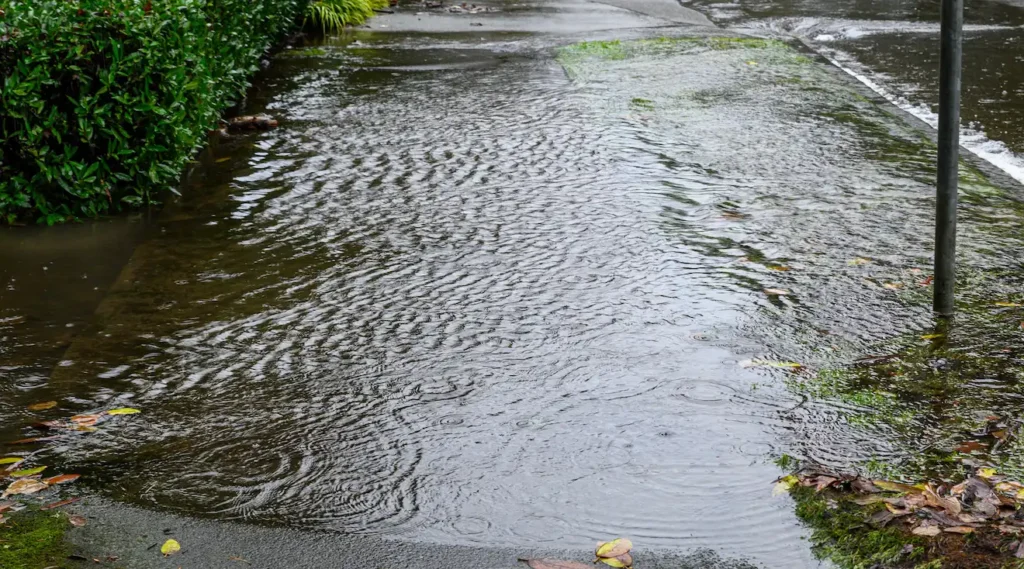
Waiting until drains begin backing up during sustained rainfall turns a manageable maintenance task into a reactive problem. Standing water can affect pedestrian routes, car parks, access roads and loading areas, potentially disrupting normal site operations.
A planned drainage inspection gives you time to:
- Identify blocked or slow-running drainage points
- Investigate recurring areas of standing water
- Arrange cleaning before leaf fall intensifies
- Identify defects requiring repair
- Coordinate drainage work with grounds and tree maintenance
- Prioritise expenditure according to site risk
This preventative approach focuses on identifying potential issues before they escalate, helping facilities teams plan maintenance budgets and reduce operational disruption. OUTCO’s survey services include drain surveys designed to identify blockages, structural issues and potential maintenance requirements.
2. Map drains, gullies and known problem areas
Before commissioning work, build a clear picture of the site’s drainage assets and known risk areas.
Start by locating gullies, channel drains, inspection chambers and other drainage points across the property. Particular attention should be given to areas where water naturally collects or where drainage problems have occurred previously.
High-priority locations may include:
- Car parks and access roads
- Loading bays and delivery areas
- Building entrances
- Pedestrian routes
- Areas beneath or close to mature trees
- Drainage points regularly affected by vegetation or debris
For multi-site estates, consistency is important. Using a common inspection process across the portfolio makes it easier to compare condition, identify priority sites and allocate budgets according to risk.
OUTCO’s broader survey approach is designed to give facilities managers actionable information on asset condition, including detailed reporting that can support maintenance planning.
3. When are drain surveys needed?
Not every drainage issue requires the same response. A straightforward accumulation of leaves around a gully may require cleaning, while repeated standing water or recurring blockages can indicate a problem that needs further investigation.
Professional drain surveys are particularly useful where:
- A drain repeatedly blocks after cleaning
- Water drains unusually slowly
- Standing water repeatedly appears in the same location
- The condition of existing drainage infrastructure is uncertain
- There is evidence of damage or deterioration
- A site has inherited drainage assets with limited maintenance records
- Facilities teams need clearer information before approving repair work
The objective is to move from assumption to evidence. Understanding whether the problem is simply maintenance related or linked to a defect allows the appropriate work to be planned.
OUTCO provides drainage surveys to identify blockages, structural issues and potential maintenance needs, helping clients make more informed decisions about repairs and longer-term asset management.
4. Cleaning and defect rectification
A survey only creates value when its findings lead to appropriate action.
Where debris is restricting drainage, cleaning should be completed before autumn conditions increase the volume of leaves, silt and other material reaching the system. OUTCO also provides road sweeping as part of its specialist cleaning services, helping maintain site cleanliness and prevent blockages to drains.
Cleaning should form part of a wider maintenance process rather than being treated as the automatic solution to every drainage problem.
Where drain inspections identify defects, facilities managers should consider the urgency and likely operational impact. Issues affecting critical access routes, busy pedestrian areas or locations with a history of flooding may require earlier intervention than lower-risk defects.
Drainage should also be considered alongside surrounding hard surfaces. Water ingress can contribute to deterioration, while damaged surfaces can affect how water reaches drainage points. OUTCO’s hard surface maintenance offering combines drain maintenance, drain surveys, surface repairs and minor civils works, allowing related external asset issues to be considered together.
5. Tree and leaf-fall risks to drainage maintenance
Drainage maintenance should not be planned independently of the landscape around it.
Trees can create predictable concentrations of leaves around gullies and drainage channels. Wind can then move material across car parks and hardstanding, meaning a drain some distance from a tree may still experience significant leaf accumulation.
Before autumn, review:
- Trees close to drainage points
- Areas with historically heavy leaf accumulation
- Gullies beneath tree canopies
- Hedges and vegetation that trap debris
- Locations where leaves collect against kerbs
- Areas requiring more frequent sweeping during autumn
This is where coordinating drainage inspections, grounds maintenance and arboricultural work can make a practical difference.
OUTCO provides grounds maintenance alongside tree surveys and tree surgery services, helping facilities teams manage outdoor assets and vegetation risks through a more holistic programme. Tree surveys include condition and risk assessments with recommendations for tree management.

6. Set an escalation and emergency response plan
Even well-maintained drainage can come under pressure, so commercial sites should establish a clear process for escalating problems.
Facilities teams should know:
- Who receives reports of standing water or blocked drains
- Which areas are operationally critical
- When a blockage should trigger a professional drain survey
- Who can authorise reactive works
- How contractors gain access out of hours
- What temporary measures may be required to keep people away from affected areas
- Where maintenance and service evidence is recorded
7. Pre-autumn commercial site drainage checklist
Use this checklist before peak leaf fall to assess your site’s readiness.
Drainage assets
- Map drains, gullies, channels and relevant inspection points
- Record known drainage problem areas
- Check for visible debris, silt and vegetation
- Look for evidence of slow drainage or standing water
- Arrange drain surveys where recurring or unexplained problems require further investigation
Cleaning and maintenance
- Clear leaves and debris from drainage points
- Schedule road sweeping or additional cleaning where required
- Prioritise high-footfall and operationally critical areas
- Review any defects identified during previous inspections
- Arrange appropriate drainage repairs or minor civils works
Trees and vegetation
- Identify trees close to drains and gullies
- Map locations with historically heavy leaf fall
- Review whether vegetation is restricting drainage routes
- Coordinate autumn grounds maintenance with drainage cleaning
- Consider tree surveys where tree condition or management requires professional assessment
Operational readiness
- Identify drainage points where failure could interrupt access or operations
- Confirm the escalation procedure for blocked drains or flooding
- Ensure relevant teams know how to report drainage issues
- Confirm arrangements for reactive call-outs
- Retain survey, maintenance and repair records for future planning
Arrange a pre-autumn drainage review
Don’t wait for heavy rain and leaf fall to reveal a drainage problem.
Arrange a pre-autumn drainage review with OUTCO to assess your site’s drainage condition, identify maintenance priorities and put appropriate cleaning or remedial works in place before autumn.