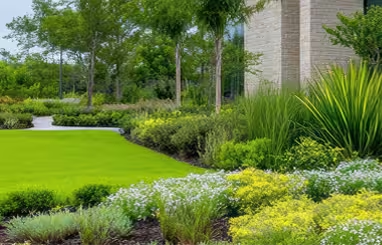
Outdoor spaces play a critical role in how businesses operate, how people experience environments, and how organisations meet their environmental responsibilities. From commercial estates to public sector sites, the way outdoor areas are managed directly impacts safety, compliance, and ecological health.
As sustainability becomes a priority across industries, grounds maintenance is evolving. It is no longer just about keeping spaces tidy, it is about creating environments that are resilient, efficient, and supportive of biodiversity.
Why Sustainability Matters in Grounds Maintenance
Sustainable grounds maintenance focuses on reducing environmental impact while maintaining safe, functional outdoor spaces. This includes how resources are used, how waste is managed, and how landscapes are designed for long-term resilience.
For organisations, this approach delivers several practical benefits:
- Reduced operational costs through efficient resource use and preventative maintenance
- Improved compliance with environmental regulations and ESG targets
- Enhanced site safety by proactively managing vegetation and surfaces
- Stronger brand reputation through visible environmental responsibility
Sustainable practices help future-proof outdoor environments against climate pressures such as extreme weather, soil degradation, and increased maintenance demand.
The Role of Biodiversity in Outdoor Spaces
Biodiversity refers to the variety of plant and animal life within an ecosystem. In managed environments, increasing biodiversity is essential for maintaining ecological balance and supporting natural processes.
Healthy, biodiverse landscapes contribute to:
- Improved soil health and stability
- Natural drainage and reduced flooding risk
- Pollinator support, which is critical for plant life
- Enhanced wellbeing for people using the space
However, biodiversity across the UK continues to decline, making it increasingly important for businesses and landowners to take an active role in habitat creation and preservation.
Enhancing biodiversity is no longer optional in many cases. With the introduction of Biodiversity Net Gain (BNG) requirements under the Environment Act 2021, organisations must now demonstrate measurable improvements to the natural environment as part of development and land management strategies.

Practical Ways to Improve Sustainability and Biodiversity
Creating safer, greener outdoor spaces requires a structured, long-term approach. The most effective strategies integrate sustainability into everyday maintenance operations.
1. Planting with Purpose
Selecting native and climate-appropriate plant species supports local ecosystems and reduces maintenance demands. Native plants require less water, fewer chemical treatments, and provide habitats for local wildlife.
Wildflower areas, for example, are a simple yet effective way to increase biodiversity while lowering ongoing maintenance requirements.
2. Managing Vegetation Responsibly
Routine grounds maintenance activities such as mowing, pruning, and weed control can either support or harm biodiversity depending on how they are carried out.
Best practice includes:
- Adjusting cutting schedules to support pollinators
- Avoiding unnecessary chemical use
- Managing invasive species to protect native habitats
Uncontrolled invasive plants can damage infrastructure, outcompete native species, and create long-term environmental and financial risks.
4. Integrating Habitat Creation
Dedicated habitat areas, such as wildflower meadows, hedgerows, and tree planting schemes, provide essential shelter and food sources for wildlife.
Even small interventions, such as planting strips or underutilised land conversion, can significantly improve ecological value.
3. Enhancing Soil and Water Management
Healthy soil is the foundation of sustainable landscapes. Practices such as mulching, reduced chemical inputs, and proper drainage management improve soil structure and fertility.
At the same time, sustainable drainage solutions help manage surface water, reducing flood risk and improving water quality.
Balancing Safety, Compliance and Environmental Goals
One of the key challenges in grounds maintenance is balancing environmental objectives with safety and compliance requirements.
Outdoor spaces must remain:
- Safe for pedestrians and vehicles
- Compliant with health and safety regulations
- Accessible in all conditions
Sustainable approaches support this balance. For example:
- Proactive vegetation management reduces trip hazards and visibility issues
- Biodiverse planting can stabilise soil and prevent surface degradation
- Planned maintenance reduces the need for disruptive reactive works
A well-managed outdoor space is safer and more reliable for daily use.
The Shift Towards Smarter, Data-Led Maintenance
Technology is playing an increasing role in sustainable grounds maintenance. Data-driven planning allows organisations to:
- Optimise maintenance schedules
- Reduce unnecessary site visits
- Monitor environmental performance
- Improve reporting for compliance and ESG requirements
This shift enables more precise, efficient, and accountable service delivery, supporting both operational and environmental goals.

Creating Long-Term Value Through Sustainable Grounds Maintenance
Sustainability and biodiversity are not short-term initiatives. They require ongoing planning, monitoring, and adaptation.
Organisations that take a proactive approach benefit from:
- Lower long-term maintenance costs
- Reduced environmental risk
- Improved stakeholder confidence
- Greater resilience to environmental change
Ultimately, greener outdoor spaces are not just better for the environment, they deliver measurable business value.
How OUTCO Supports Safer, Greener Outdoor Spaces
OUTCO delivers integrated grounds maintenance and environmental services designed to help organisations create safer, more sustainable outdoor environments.
With a focus on biodiversity, vegetation management, and long-term site performance, OUTCO supports clients in enhancing ecological value while maintaining compliance and safety standards. This includes tailored biodiversity solutions, habitat creation, and ongoing maintenance strategies that align with Biodiversity Net Gain requirements.
By combining practical expertise with data-led service delivery, OUTCO helps businesses reduce risk, improve efficiency, and meet their environmental responsibilities, all while maintaining high standards across their outdoor estates.